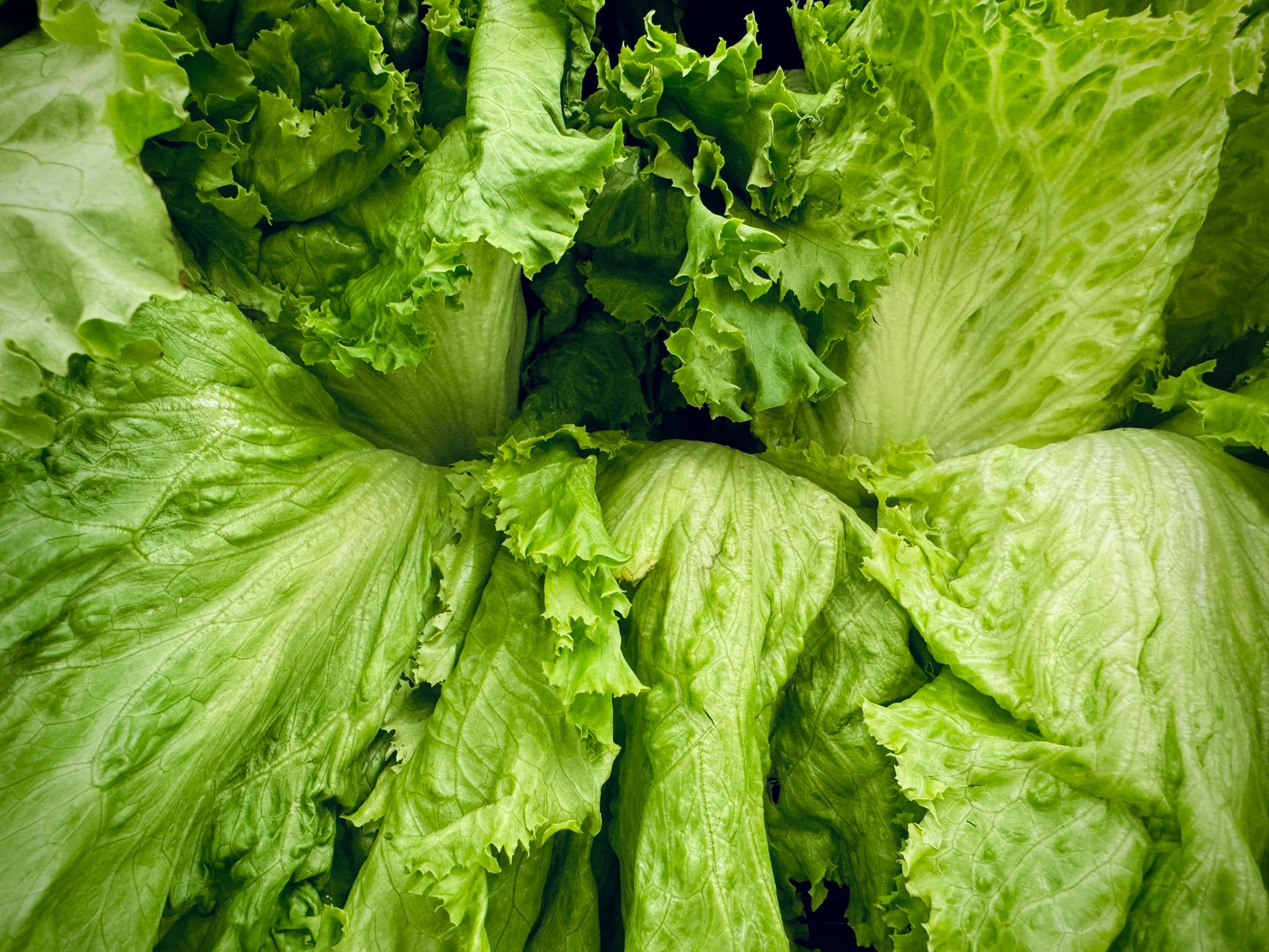
A major Cyclospora outbreak linked to recalled iceberg lettuce has expanded across the United States, with federal health officials confirming cases in three additional states as the number of reported illnesses continues to rise.
According to the U.S. Food and Drug Administration’s latest update on August 27, 2026, the outbreak has been associated with 11,458 reported illnesses across 20 states and 495 hospitalizations. Georgia, Tennessee and Texas are the latest states added to the investigation.
Outbreak Expands Across the United States
The affected states include Arkansas, Georgia, Illinois, Indiana, Iowa, Kansas, Kentucky, Maine, Massachusetts, Michigan, Missouri, Nebraska, New Hampshire, North Carolina, Ohio, Oklahoma, Pennsylvania, Tennessee, Texas and West Virginia.
Federal investigators have linked the outbreak to processed iceberg lettuce sourced from central Mexico and recalled by Taylor Farms de Mexico.
The FDA and Centers for Disease Control and Prevention have been working with state and international health authorities to trace the source of the illnesses and determine how the contamination occurred.
Most illnesses associated with the outbreak began before Taylor Farms de Mexico voluntarily recalled the affected iceberg lettuce on July 17, 2026.
Some patients reported eating processed iceberg lettuce at various locations before becoming sick. Earlier in the investigation, a number of patients also reported eating at Taco Bell restaurants, helping investigators identify a possible common food source.
What Is Cyclospora?
Cyclospora cayetanensis is a microscopic parasite that can contaminate food or water and cause an intestinal illness known as cyclosporiasis.
The most common symptom is frequent, watery diarrhea. Other symptoms can include loss of appetite, weight loss, stomach cramps, bloating, increased gas, nausea and fatigue.
Some patients may also experience vomiting, body aches, headaches or fever.
Symptoms can last for days or even weeks and may temporarily disappear before returning. People experiencing persistent or severe gastrointestinal symptoms should contact a healthcare professional.
More Than 15,000 U.S. Cases Reported This Year
The outbreak linked to iceberg lettuce represents only part of the Cyclospora activity reported across the United States in 2026.
Since May 1, the CDC has received reports of more than 15,000 laboratory-confirmed domestically acquired cyclosporiasis cases nationwide. Not all of these cases are connected to the recalled iceberg lettuce.
Public health investigators continue to examine additional clusters that may have different food sources.
The growing numbers also do not necessarily mean thousands of people are becoming sick right now. Reporting delays are common in foodborne illness investigations, and it can take several weeks for a patient’s illness to be confirmed, investigated and included in national statistics.
Is the Recalled Lettuce Still on the Market?
Despite the increasing case count, federal officials say the recalled iceberg lettuce connected with this outbreak is believed to be off the market.
The best-by dates for the affected products have passed, and the FDA has said the newly reported cases do not represent a new expansion of the original recall.
This distinction is important for consumers. An increase in the official number of illnesses can reflect older cases that have only recently been confirmed rather than new exposure to contaminated products currently being sold.
The FDA is continuing inspections, sampling and investigative work involving lettuce growers and processing operations in Mexico.
What Consumers Should Watch For
Anyone experiencing prolonged watery diarrhea, stomach cramps, nausea, unusual fatigue or other gastrointestinal symptoms should consider contacting a healthcare provider, especially if symptoms are severe or continue for several days.
Consumers can also reduce their risk of foodborne illness by washing their hands before preparing food, keeping food-preparation surfaces clean, preventing cross-contamination and properly refrigerating perishable foods.
Fresh produce should be handled carefully, although washing alone may not completely eliminate every type of microscopic parasite.
Investigation Remains Ongoing
The FDA and CDC continue to work with state health departments and Mexican authorities as they investigate how the contamination occurred and whether additional measures are necessary to prevent similar outbreaks.
The latest expansion into Georgia, Tennessee and Texas highlights how complicated nationwide foodborne illness investigations can become when products move through large distribution networks.
As of August 28, 2026, the outbreak investigation involves 20 states, 11,458 reported illnesses and 495 hospitalizations.
Although officials say the recalled lettuce associated with this outbreak is no longer on the market, the investigation remains active as health authorities continue tracking cases and examining the supply chain.
For consumers, the latest outbreak serves as another reminder that food safety problems can cross state lines quickly and that official case totals can continue rising long after contaminated products have been removed from store shelves.
Leave a Reply