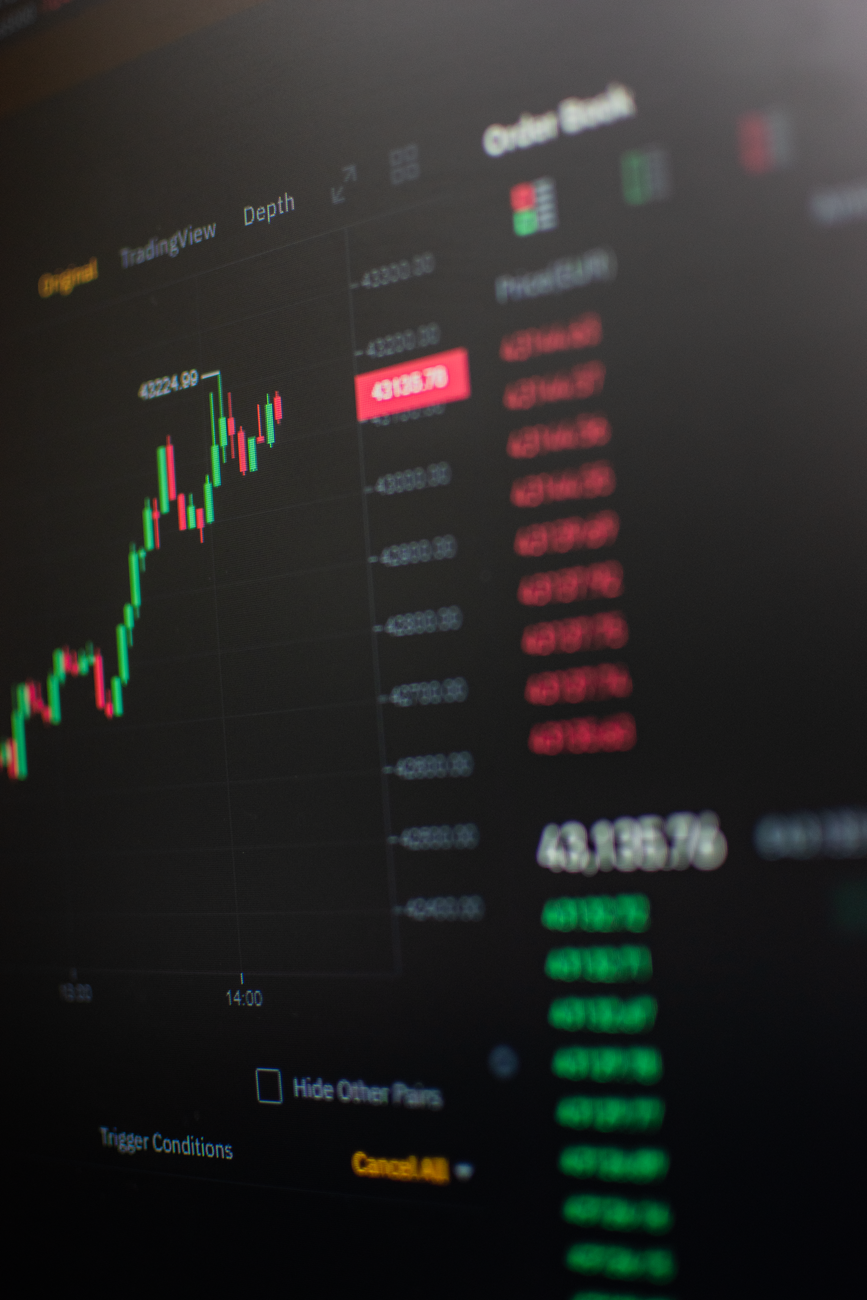
Nvidia Stock Surges 8.7% as AI Boom Lifts Wall Street
Artificial intelligence sent another powerful message to Wall Street on Thursday: the AI investment boom is still driving some of the biggest moves in the U.S. stock market.
Nvidia shares surged 8.7% on August 27, as investors reacted to strong financial results and continued optimism surrounding demand for advanced AI computing technology.
The rally quickly spread across the technology sector. Salesforce jumped 22.6%, while semiconductor and other AI-related stocks also benefited from renewed investor enthusiasm.
The gains helped push major U.S. stock indexes higher, highlighting just how influential artificial intelligence has become on Wall Street.
Nvidia Stock Rises as AI Demand Remains Strong
Nvidia remains one of the most important companies at the center of the global artificial intelligence boom.
Its advanced processors are widely used in data centers that train and operate AI systems. As major technology companies continue investing heavily in artificial intelligence infrastructure, demand for powerful computing equipment remains a major focus for investors.
Nvidia’s latest performance helped ease concerns that the rapid expansion of AI spending could soon begin to slow.
The company’s position in the AI chip market also means its earnings can have an impact far beyond Nvidia itself. Strong results can boost confidence in semiconductor companies, data-center businesses and other companies connected to the AI industry.
Salesforce Jumps as Companies Turn AI Into Business
Salesforce was another major winner Thursday, with its shares rising 22.6%.
The strong move reflects a broader shift in how Wall Street views artificial intelligence.
For several years, investors focused primarily on the potential of generative AI. Now they increasingly want evidence that companies can turn AI technology into actual revenue, productivity improvements and profits.
Salesforce has been expanding its artificial intelligence products as businesses look for ways to automate customer service, analyze data and improve workplace productivity.
This shift could become increasingly important for the next stage of the AI boom.
Investors are no longer asking only whether artificial intelligence will transform the economy. They are also asking which companies can successfully make money from that transformation.
Nasdaq and S&P 500 Move Higher
The technology rally helped lift the broader U.S. stock market.
The S&P 500 gained about 0.7%, while the technology-heavy Nasdaq Composite climbed approximately 1.6%. The Dow Jones Industrial Average rose about 0.2%.
The stronger performance of the Nasdaq reflects the market’s renewed enthusiasm for technology and AI-related companies.
Large technology companies now represent a significant portion of major U.S. stock indexes. As a result, sharp movements in companies such as Nvidia can influence the direction of the overall market.
Thursday’s rally demonstrated that investor enthusiasm for artificial intelligence remains strong.
AI Is Becoming More Than a Technology Story
Artificial intelligence is rapidly expanding beyond semiconductor companies.
Businesses are investing in AI software, cloud computing, cybersecurity, automation and massive data centers needed to support increasingly sophisticated AI systems.
Companies are also experimenting with AI tools designed to increase employee productivity and reduce operating costs.
This creates opportunities across multiple industries.
However, it also creates pressure.
Companies spending billions of dollars on artificial intelligence will eventually need to demonstrate that those investments can generate sustainable financial returns.
That could become one of the biggest questions facing technology investors over the next several years.
Inflation Remains a Major Risk for Wall Street
Despite strong enthusiasm surrounding AI stocks, the U.S. economy continues to face another major challenge: inflation.
The Federal Reserve closely monitors inflation when deciding whether interest rates should rise, fall or remain unchanged.
Persistent inflation can keep borrowing costs elevated for longer, affecting both consumers and businesses.
Higher interest rates can make mortgages, credit cards, auto loans and business financing more expensive. They can also put pressure on highly valued technology companies because investors may become less willing to pay high prices for profits expected far into the future.
This creates an important tension in the current market.
AI growth is supporting technology stocks, while inflation and interest-rate uncertainty remain potential obstacles.
How Interest Rates Could Affect the U.S. Economy
Federal Reserve policy does not affect every part of the economy in the same way.
Technology companies can face pressure when higher rates reduce the value investors place on future earnings.
The housing market can also be affected because elevated mortgage rates make monthly payments more expensive for buyers.
Consumers may reduce spending when credit cards, auto loans and other borrowing costs rise.
Small businesses can face higher financing expenses, potentially making expansion and hiring more difficult.
Banks and financial companies are also sensitive to changes in interest rates because those changes influence lending demand and financial conditions.
For these reasons, Wall Street is watching Federal Reserve policy almost as closely as major technology earnings.
Wall Street Watches the Federal Reserve
Investors are now looking for new signals about the direction of U.S. monetary policy.
Future inflation reports, employment numbers and Federal Reserve statements could significantly influence expectations for interest rates.
If inflation continues to cool, investors could become more optimistic about easier monetary policy.
If inflation remains stubbornly high, however, interest rates could stay elevated for longer than markets expect.
Either outcome could have major consequences for stocks, Treasury yields, mortgage rates, the U.S. dollar and other financial markets.
What Investors Should Watch Next
Nvidia’s latest rally shows that artificial intelligence remains one of the strongest themes driving Wall Street.
But strong AI growth alone may not determine where the U.S. stock market goes next.
Investors will be watching upcoming inflation reports, employment data, Federal Reserve decisions and earnings reports from major technology companies.
Another key question will be whether businesses continue spending aggressively on AI chips, data centers and software.
Continued investment could support further growth across the artificial intelligence industry.
A significant slowdown in AI spending, however, could challenge the high expectations already reflected in some technology stock valuations.
AI and Interest Rates Are Driving Wall Street
Two powerful forces are currently shaping the U.S. stock market: artificial intelligence and interest rates.
Nvidia’s 8.7% surge and Salesforce’s 22.6% rally demonstrate that investors remain willing to reward companies that can show meaningful growth connected to artificial intelligence.
At the same time, inflation and Federal Reserve policy remain important risks for the broader economy.
For now, AI optimism continues to provide momentum for Wall Street.
The next challenge will be proving that the billions of dollars being invested in artificial intelligence can translate into lasting revenue, higher productivity and sustainable profits.
Leave a Reply